What is Artificial Intelligence (AI)?
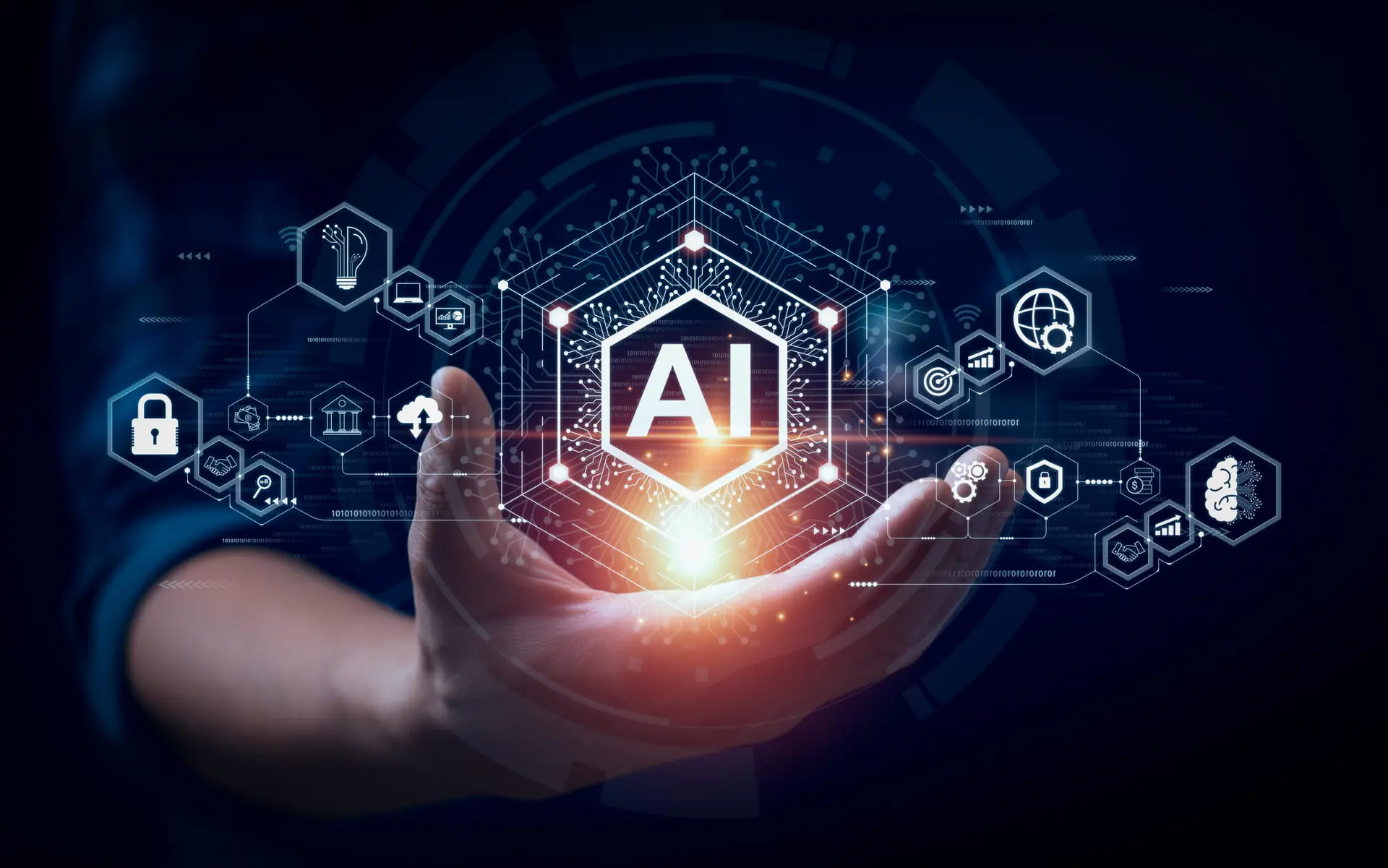
Artificial Intelligence (AI) is the branch of computer science that enables machines to mimic human intelligence. This includes learning from experience, understanding language, recognizing patterns, solving problems, and even making decisions—just like a human would.
AI is not just science fiction anymore. It powers many tools we use today, from voice assistants like Alexa and Siri to recommendation systems on Netflix and Amazon.
Types of Artificial Intelligence
AI is generally categorized into three types:
- Narrow AI (Weak AI):
- This type of AI is designed to perform a specific task. Examples include facial recognition, voice assistants, and spam email filters.
- General AI (Strong AI):
- A more advanced form, general AI would have the ability to perform any intellectual task that a human can do. We haven’t reached this level yet.
- Super AI:
- A theoretical form of AI that surpasses human intelligence. It's still a concept in research and debate.
How Does AI Work?
AI systems work by processing vast amounts of data, identifying patterns, and learning from them using algorithms. Some core areas include:
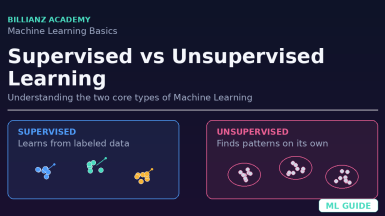
- Machine Learning (ML): Enables machines to learn from data and improve performance without being explicitly programmed.
- Deep Learning: A subset of ML that uses neural networks, especially useful in image and speech recognition.
- Natural Language Processing (NLP): Helps machines understand and respond to human language.
Real-World Applications of AI
AI is already integrated into several industries:
- Healthcare: AI assists in disease diagnosis, personalized medicine, and robotic surgeries.
- Finance: Fraud detection, algorithmic trading, and customer service chatbots.
- Retail: Personalized shopping experiences and smart inventory management.
- Education: AI tutors, predictive analytics, and automated grading systems.
- Transportation: Self-driving cars and smart traffic management systems.
Benefits of AI
- Increases efficiency and productivity.
- Reduces human errors.
- Enables 24/7 service and support.
- Enhances decision-making with data analysis.
Challenges and Concerns
- Job Displacement: Automation may reduce the need for some human jobs.
- Bias in Algorithms: AI can reflect biases present in training data.
- Privacy Risks: Data used by AI must be handled responsibly.
The Future of AI
The future of AI holds exciting possibilities: human-like robots, smarter cities, and AI-driven innovations in science and education. However, ethical development and regulation are key to ensuring it benefits everyone.
Conclusion
Artificial Intelligence is revolutionizing the way we live and work. As it evolves, learning about AI and its impact is essential for students, professionals, and businesses alike. Whether you're a tech enthusiast or a curious beginner, the AI journey is one worth exploring.